Moving Companies in Angels, CA
In Angels Camp the clock shapes the bill, because local work is billed hourly and every extra hour is one you pay for.
| Move type | Scope | Typical cost |
|---|---|---|
| Local move | Same area, under 100 miles | $350 - $1,100+ |
| Regional move | In-state, beyond the local area | $900 - $2,500+ |
| Hourly rate | Two movers and a truck | $100 - $180 / hour |
Hours are the budget
Local jobs bill by the hour plus a travel fee, and long-distance work is priced by weight and distance instead. Anything that stretches the day - stairs, narrow rural driveways, long walks between the house and the parked truck - shows up as money. Walk the property with the estimator beforehand, because undisclosed access problems trigger long-carry and stair surcharges on top of lost time.
Settle the estimate type early
A binding estimate guarantees the total; a non-binding one can move with actual weight or hours spent. Also confirm whether the hourly rate covers the drive back from your destination. Sorting this out at booking, not on moving day, is where budgets hold.
Watch payment timing and coverage gaps
Payment is normally due at completion, so be skeptical of anyone wanting a large cash deposit up front, and verify state licensing before signing. Free valuation pays just $0.60 per pound per item - a damaged 20-pound television returns $12 - so arrange full-value protection in advance for anything expensive. Keep documents, medications, chargers, and toiletries in your own vehicle rather than on the truck.
Movers serving the Angels Camp area appear in the listings below, where you can compare written estimates for your dates.
Free · no obligation
Quotes from movers in Angels, CA
Two answers below and we pass your move to licensed companies from this page. No account, no fee to you.
Filter & sort Rating, reviews, fleet, licence
Best Movers in Angels, CA
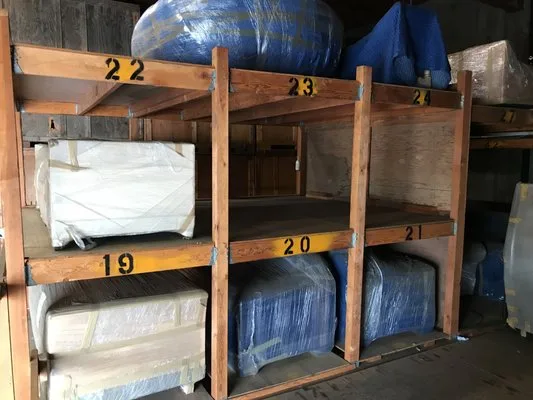
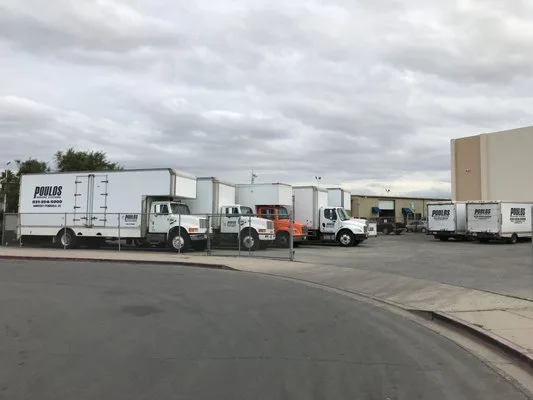
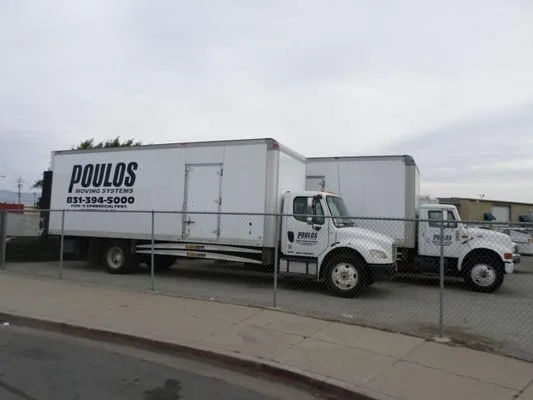
Ranked by popularity. Licensing, insurance and photos shown for each.




















What customers say in Angels, CA
How much truck space do you need?
I’m moving a that’s .
Industry rules of thumb — about seven pounds per cubic foot, and published rental-truck capacities. Not our carrier records, not a quote. Bring both numbers to the call and what you get back will finally be comparable.