Moving Companies in Glendale, CA
What moving in Glendale costs
In-town jobs average about $122 per hour when booking a standard two-mover crew with a truck, with individual mover rates running $50 to $90 per hour. Total local bills span from $444 for a small studio to $4,036+ for large multi-bedroom homes, landing near $1,050 on average. Once a move leaves the local zone, pricing switches to shipment weight and mileage, and long-distance relocations commonly start around $2,400 and scale up with the load.
Local rules that catch people out
- Parking permits: strict street-sweeping schedules and tight residential streets, especially south of the 134 and up in the hills, can mean needing a temporary permit for the truck - ask whether the mover handles this or it falls to you.
- Extra labor charges: long carries from truck to door, stairs without a working elevator, and heavy pieces like pianos, safes or oversized gym equipment each add to the bill.
- Building paperwork: condos and managed buildings almost always demand a Certificate of Insurance from the mover before allowing the job.
Timing and verification
Demand peaks from May through September and at the end of each month; movers with flexible timelines who book mid-week and mid-month often save 15% to 25%. Before signing anything, confirm the company's CAL T-number and complaint record with the Bureau of Household Goods and Services, so a licensed, insured crew - not a rogue operator - is who shows up at your door.
Free · no obligation
Quotes from movers in Glendale, CA
Two answers below and we pass your move to licensed companies from this page. No account, no fee to you.
Filter & sort 1 Rating, reviews, fleet, licence
Best Movers in Glendale, CA
Ranked by popularity. Licensing, insurance and photos shown for each.

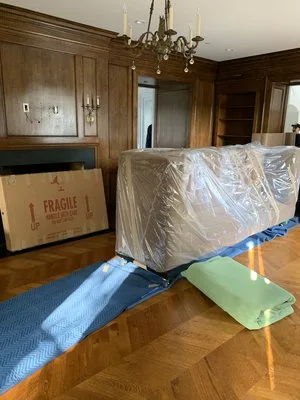
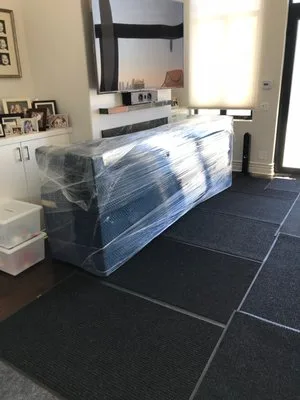





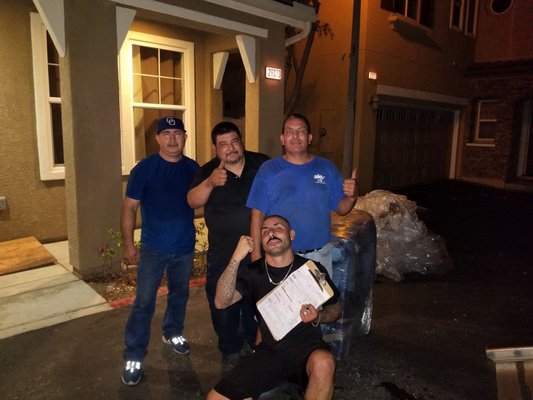
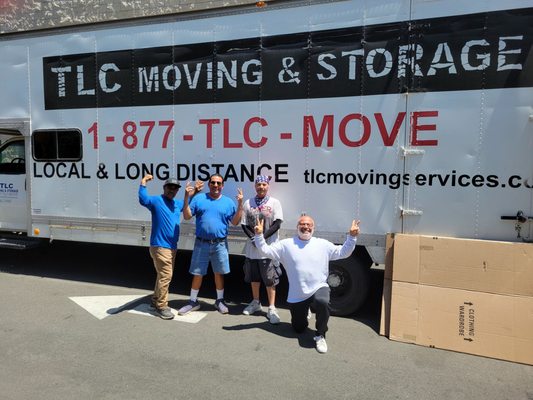

What customers say in Glendale, CA
Who's moving to Glendale, CA
Federal tax-filer migration data for Los Angeles County.
52% arrived from elsewhere in California. Most arrivals are in-state moves, so a regional company will usually cover it — check interstate authority only if you're crossing a state line.
See licensed movers78% of departures went farther than 50 miles. Beyond that range moves are priced by weight and distance, and a state line means the carrier needs interstate authority.
See the full picture — 5-year trend, state flows and top routes
Each bar shows that state's in/out split — rows are ranked by total volume.
Households arriving from another state report $95,475 in average annual income; those relocating from elsewhere in California report $82,810. Long-distance arrivals are the higher-budget half of the market.
How this works: IRS SOI County-to-County Migration Data, 2022-2023. The IRS compares the address on consecutive tax returns, so every move here is a real filed household. The catch: it publishes annually with about a two-year lag, counts Los Angeles County rather than city limits exactly, misses people who don't file a return, and leaves 6% of moves unattributed to a specific county, because flows too small to publish are grouped into regional buckets instead. See the whole state on the California migration page →
How much truck space do you need?
I’m moving a that’s .
Industry rules of thumb — about seven pounds per cubic foot, and published rental-truck capacities. Not our carrier records, not a quote. Bring both numbers to the call and what you get back will finally be comparable.