Moving Companies in Hayward, CA
What Movers Charge in Hayward
Local moves here run about $122 an hour on average, with full projects typically totaling somewhere between $444 and $4,036 depending on how much you're moving and how big your crew needs to be. Break it down by size and a studio or one-bedroom usually runs $450 to $900, taking roughly three to five hours with two movers, while a two- or three-bedroom home lands between $1,000 and $2,500 over six to ten hours with three or more movers on the job. A two-person crew alone typically bills $100 to $150 an hour.
A few things push that number around. Paying by credit card instead of cash adds a 3% surcharge at most companies. Grabbing your own tape and basic supplies from a hardware store instead of buying through the mover saves $30 to $60. Tight streets and apartment complexes around Hayward sometimes mean a moving truck needs a temporary parking permit or a reserved space, so it's worth checking that before the day arrives rather than after the truck is already circling the block.
Coverage is worth understanding too: the basic liability every California mover carries by default is thin, working out to roughly $0.60 per pound per item, which isn't much if anything valuable gets damaged — ask about fuller protection if that matters to you. Confirm the company carries valid California Public Utilities Commission registration before you book — that's what gives you real consumer protections if something goes sideways. If the move goes well, crews generally appreciate a cash tip in the range of $10 to $20 per person per hour, or a percentage of the total split among them.
Free · no obligation
Quotes from movers in Hayward, CA
Two answers below and we pass your move to licensed companies from this page. No account, no fee to you.
Filter & sort 1 Rating, reviews, fleet, licence
Best Movers in Hayward, CA
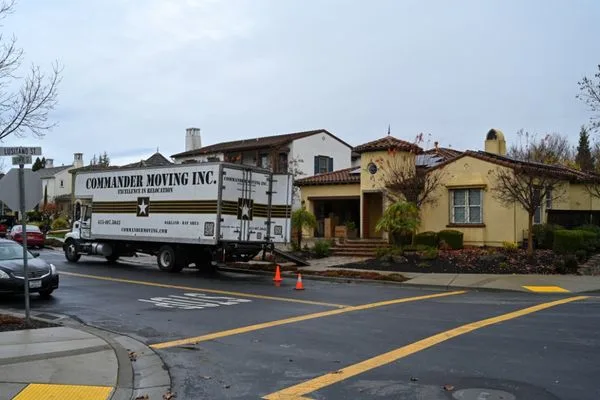
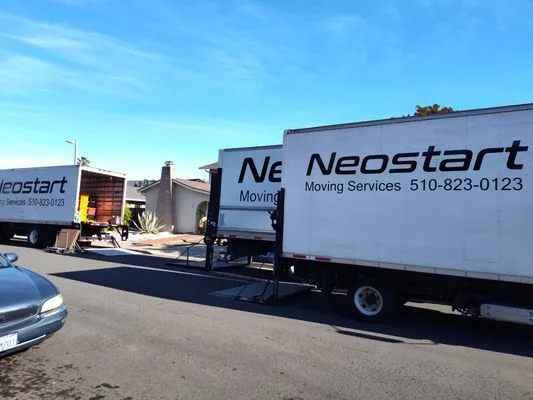
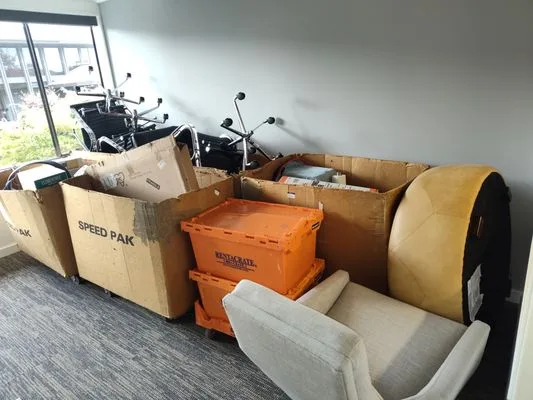
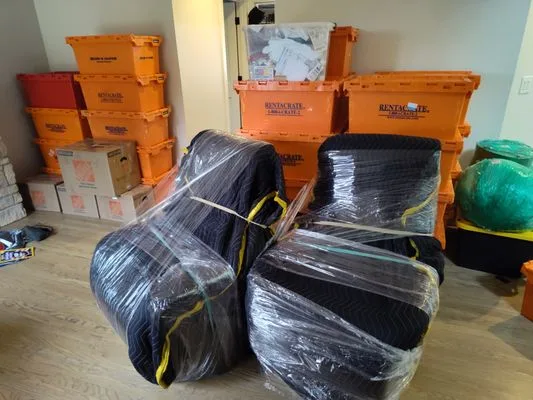
Ranked by popularity. Licensing, insurance and photos shown for each.
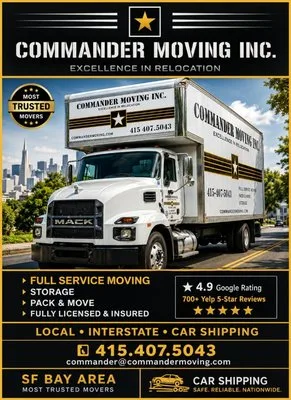

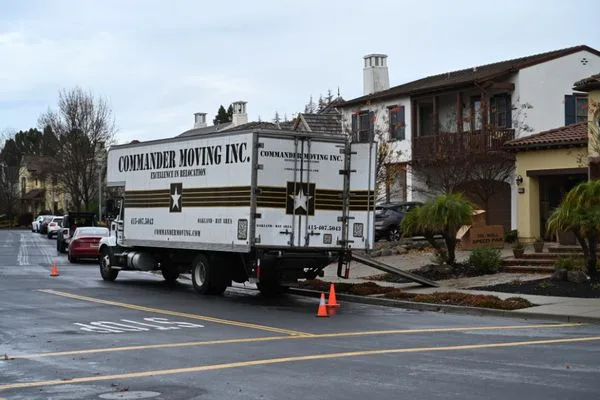
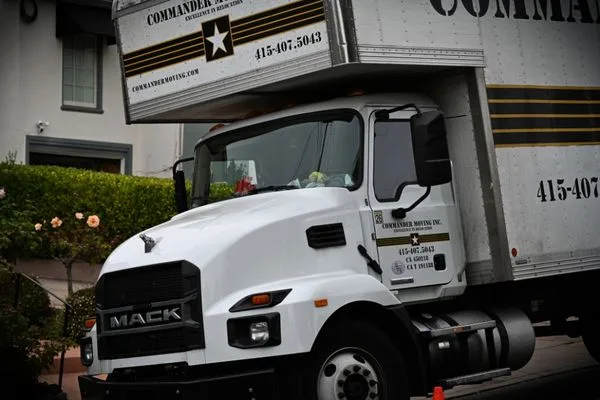
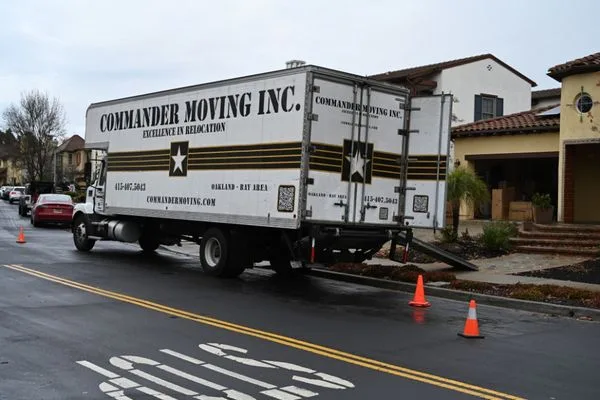









What customers say in Hayward, CA
Who's moving to Hayward, CA
Federal tax-filer migration data for Alameda County.
72% arrived from elsewhere in California. Most arrivals are in-state moves, so a regional company will usually cover it — check interstate authority only if you're crossing a state line.
See licensed movers45% of departures stayed under 50 miles. Short local moves are usually priced by the hour, so a regional company is often the cheaper call.
See the full picture — 5-year trend, state flows and top routes
Each bar shows that state's in/out split — rows are ranked by total volume.
Households arriving from another state report $101,645 in average annual income; those relocating from elsewhere in California report $131,527. Long-distance arrivals are the higher-budget half of the market.
How this works: IRS SOI County-to-County Migration Data, 2022-2023. The IRS compares the address on consecutive tax returns, so every move here is a real filed household. The catch: it publishes annually with about a two-year lag, counts Alameda County rather than city limits exactly, misses people who don't file a return, and leaves 9% of moves unattributed to a specific county, because flows too small to publish are grouped into regional buckets instead. See the whole state on the California migration page →
How much truck space do you need?
I’m moving a that’s .
Industry rules of thumb — about seven pounds per cubic foot, and published rental-truck capacities. Not our carrier records, not a quote. Bring both numbers to the call and what you get back will finally be comparable.