Moving Companies in Lomita, CA
What a Lomita move usually costs
Because you're in South Bay L.A. County, pricing follows California's local-move rules. Under 100 miles, a two-person crew with a truck generally runs between $90 and $130 per hour. If you add a third mover, that's about $130 to $180 an hour. Local totals often start near $450 for a studio or one-bedroom and can pass $2,500 for a three-to-four-bedroom home, especially with stairs or long loading times.
Don't forget the state's double drive time rule: movers charge twice the hourly rate for the trip from their yard to your old place, and again from your old place to your new one. Most companies also require a 3- or 4-hour minimum. So even a one-bedroom job that takes only 1.5 hours still bills for those minimum hours.
Local details worth checking
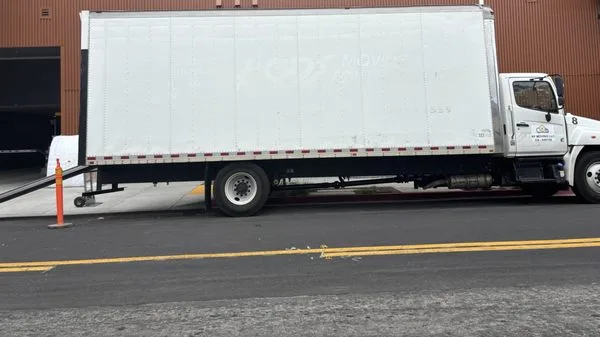
- South Bay streets and apartment complexes can be tight for a 26-foot truck. If the truck can't park close, the crew's extra walking time adds to your hourly bill. Ask the City of Lomita about temporary parking rules before moving day.
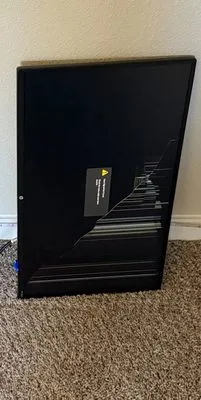
- Free basic liability is usually limited to $0.60 per pound per item, so a 20-pound TV worth $1,000 would only be covered for $12 if it breaks. Consider upgrading to full-value protection or third-party insurance for high-value items.
- Tipping isn't mandatory, but for a full day many people give about 10% to 20% of the total bill split among the crew. Keep cash handy.
- Get 3 in-home or video estimates rather than a phone quote. A detailed walk-through often leads to a binding not-to-exceed price.
When you're ready, look through the Lomita movers below to see who's available.
Free · no obligation
Quotes from movers in Lomita, CA
Two answers below and we pass your move to licensed companies from this page. No account, no fee to you.
Filter & sort Rating, reviews, fleet, licence
Best Movers in Lomita, CA
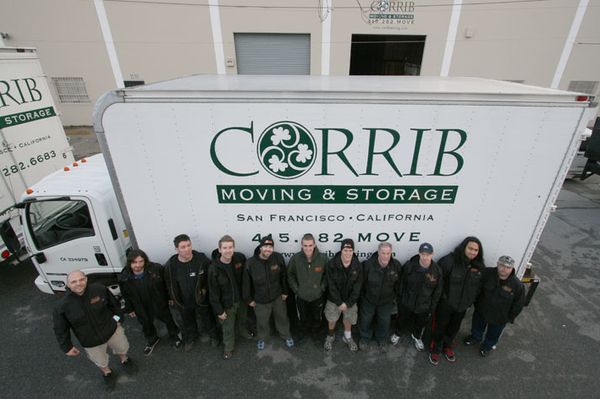
Ranked by popularity. Licensing, insurance and photos shown for each.


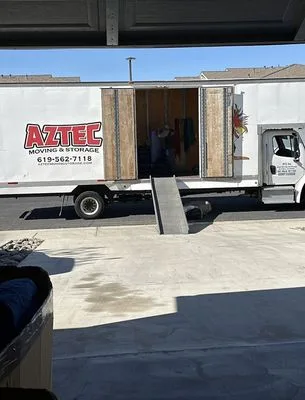
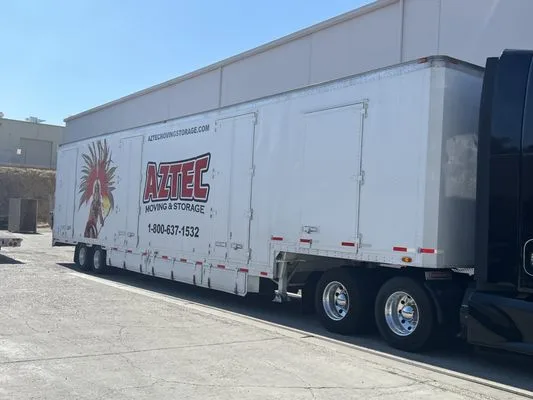
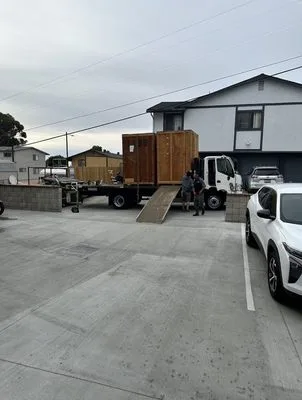
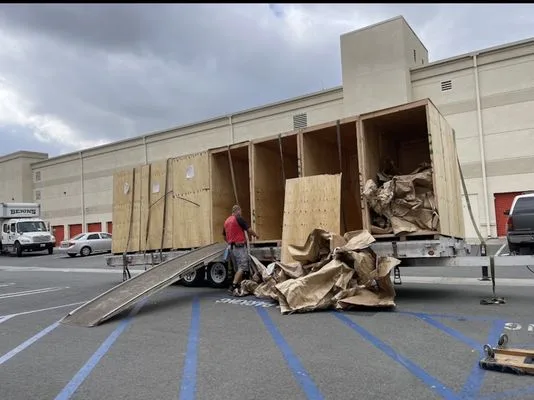
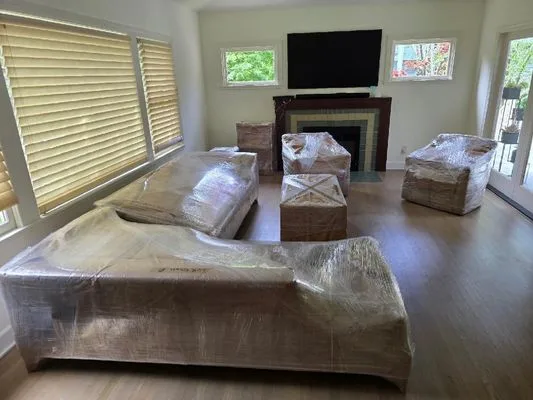
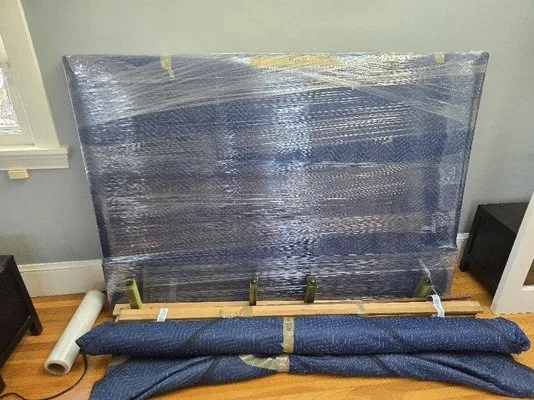
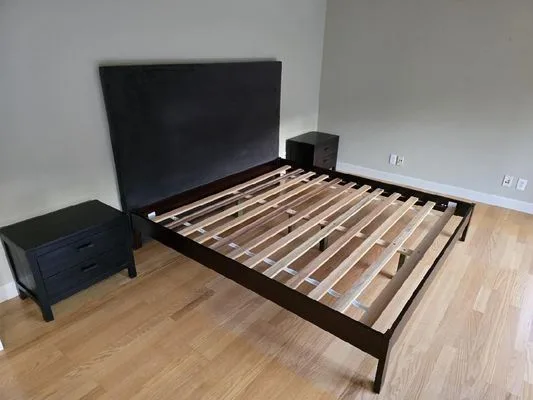

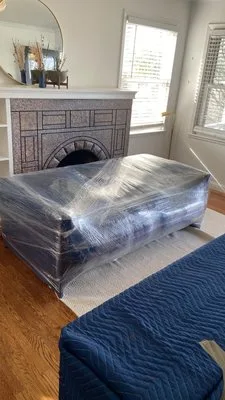
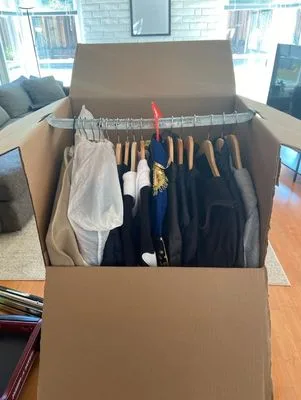

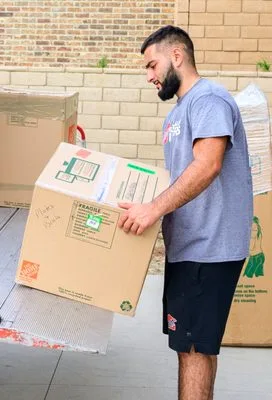


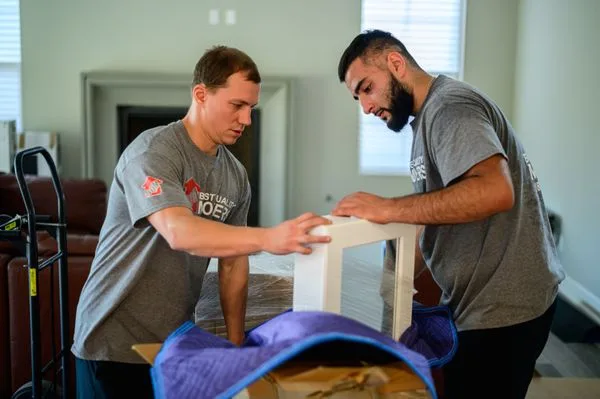

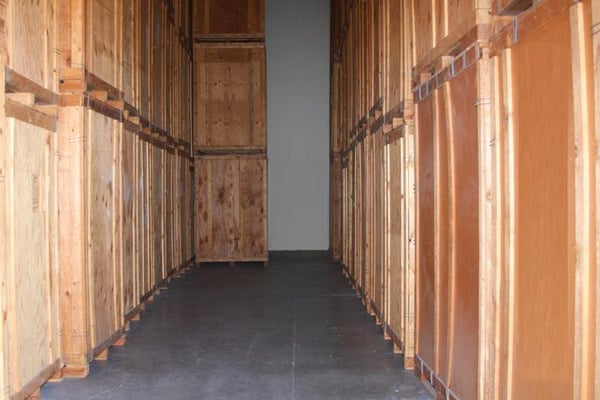

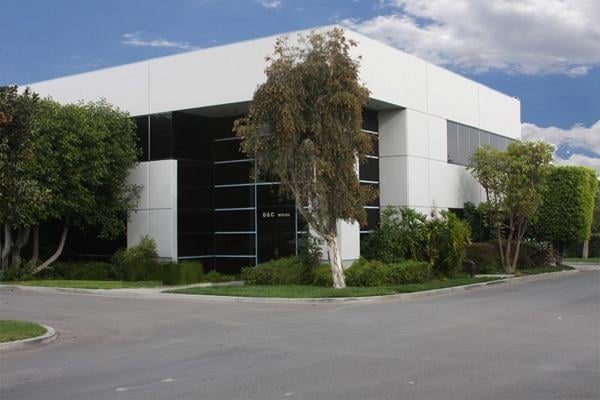
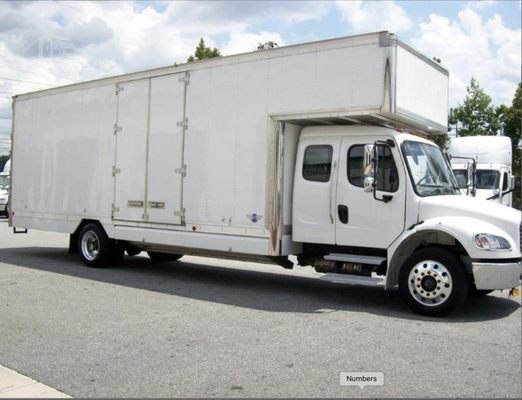



















What customers say in Lomita, CA
Who's moving to Lomita, CA
Federal tax-filer migration data for Los Angeles County.
52% arrived from elsewhere in California. Most arrivals are in-state moves, so a regional company will usually cover it — check interstate authority only if you're crossing a state line.
See licensed movers78% of departures went farther than 50 miles. Beyond that range moves are priced by weight and distance, and a state line means the carrier needs interstate authority.
See the full picture — 5-year trend, state flows and top routes
Each bar shows that state's in/out split — rows are ranked by total volume.
Households arriving from another state report $95,475 in average annual income; those relocating from elsewhere in California report $82,810. Long-distance arrivals are the higher-budget half of the market.
How this works: IRS SOI County-to-County Migration Data, 2022-2023. The IRS compares the address on consecutive tax returns, so every move here is a real filed household. The catch: it publishes annually with about a two-year lag, counts Los Angeles County rather than city limits exactly, misses people who don't file a return, and leaves 6% of moves unattributed to a specific county, because flows too small to publish are grouped into regional buckets instead. See the whole state on the California migration page →
How much truck space do you need?
I’m moving a that’s .
Industry rules of thumb — about seven pounds per cubic foot, and published rental-truck capacities. Not our carrier records, not a quote. Bring both numbers to the call and what you get back will finally be comparable.