Moving Companies in Malibu, CA
Look through the licensed movers below and treat each card’s license status as a basic check, the insurance badge as a coverage signal, and the review count as evidence of consistency before asking about Malibu-specific charges.
Typical Malibu moving prices
For a studio or one-bedroom, the average total runs from $450 to $700, while two-person crews commonly bill $100–$150 per hour. A two- to three-bedroom home averages $900 to $2,000+ with three- to four-person crews at $150–$250+ per hour. Labor-only loading or unloading help runs about $85 to $130 per worker.
Licensed movers typically include basic liability coverage at $0.60 per pound per item; that may be too low for art or antiques on hillside stairways, so compare insurance badges and consider full-value protection.
Malibu fees and rules to check
- Long carry or shuttle fees can apply when a truck cannot safely reach the door on steep driveways, private roads, or hillside steps.
- California Public Utilities Commission rules allow double drive time on local moves: billable warehouse-to-start travel plus double time from the old home to the new one.
- Pacific Coast Highway bottlenecks and limited commercial parking may cause delay charges or ticket costs, so confirm any HOA or street parking rules.
- Ask about accessorial charges for stairs, disassembly/reassembly, pianos, safes, or oversized mattresses, and get a binding or not-to-exceed written estimate.
Free · no obligation
Quotes from movers in Malibu, CA
Two answers below and we pass your move to licensed companies from this page. No account, no fee to you.
Filter & sort Rating, reviews, fleet, licence
Best Movers in Malibu, CA
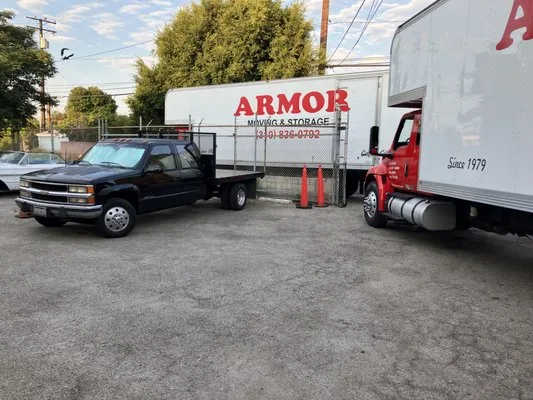
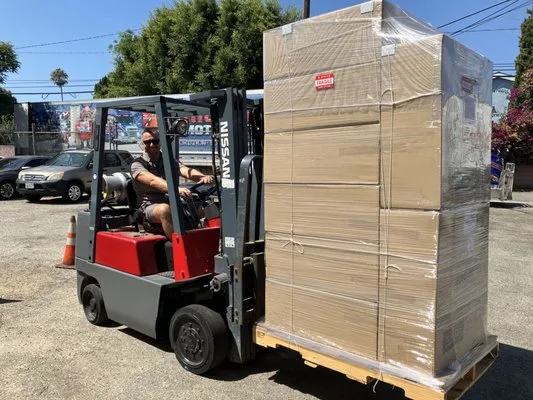
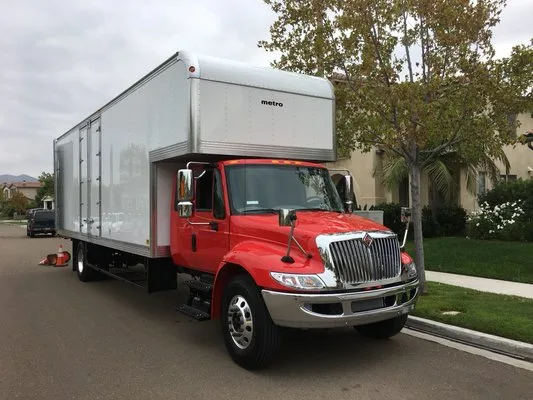
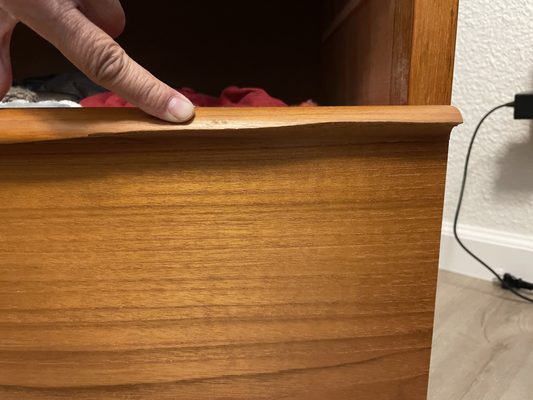
Ranked by popularity. Licensing, insurance and photos shown for each.































What customers say in Malibu, CA
Who's moving to Malibu, CA
Federal tax-filer migration data for Los Angeles County.
52% arrived from elsewhere in California. Most arrivals are in-state moves, so a regional company will usually cover it — check interstate authority only if you're crossing a state line.
See licensed movers78% of departures went farther than 50 miles. Beyond that range moves are priced by weight and distance, and a state line means the carrier needs interstate authority.
See the full picture — 5-year trend, state flows and top routes
Each bar shows that state's in/out split — rows are ranked by total volume.
Households arriving from another state report $95,475 in average annual income; those relocating from elsewhere in California report $82,810. Long-distance arrivals are the higher-budget half of the market.
How this works: IRS SOI County-to-County Migration Data, 2022-2023. The IRS compares the address on consecutive tax returns, so every move here is a real filed household. The catch: it publishes annually with about a two-year lag, counts Los Angeles County rather than city limits exactly, misses people who don't file a return, and leaves 6% of moves unattributed to a specific county, because flows too small to publish are grouped into regional buckets instead. See the whole state on the California migration page →
How much truck space do you need?
I’m moving a that’s .
Industry rules of thumb — about seven pounds per cubic foot, and published rental-truck capacities. Not our carrier records, not a quote. Bring both numbers to the call and what you get back will finally be comparable.